From January through October 2026, homes in West Petaluma sold for an average of about $1.21 million. In East Petaluma, the average was about $828,000. Both figures come from the monthly area reports of BAREIS, the regional multiple listing service. The two sides are one city, but they are about $386,000 apart on average. On these ten months of reports, the West average is roughly 47 percent above the East. That is a wider gap than in any full year BAREIS has recorded since 1999.
If you are comparing parts of Petaluma, you have probably seen one median price for the whole city. That number combines two markets that move at different speeds and are moving further apart. The MLS treats them separately as area B0900, Petaluma East, and area B1000, Petaluma West. Those are the two halves this post compares.
The gap has been there for decades, and it is widening
BAREIS publishes year-end averages for both sides back to 1999, so the current spread can be measured against a long record. The 2026 row below is my total of the monthly BAREIS reports for January through October. The other rows are full calendar years from the BAREIS year-end report.
| Period | East Petaluma average sale price | West Petaluma average sale price | West above East |
|---|---|---|---|
| 1999 full year | $273,374 | $330,778 | about 21% |
| 2012 full year | $364,609 | $507,209 | about 39% |
| 2020 full year | $741,824 | $1,006,618 | about 36% |
| 2025 full year | $944,310 | $1,243,694 | about 32% |
| January to October 2026 | about $828,000 | about $1,214,000 | about 47% |
The premium has moved up and down, from roughly a fifth in 1999 to almost two-fifths in 2012. In every year in the series, the west side has sold for more on average. For 2025 BAREIS also published medians, which are less affected by a few very expensive sales. The 2025 median was $850,000 in East Petaluma and $1,050,000 in West Petaluma.
The 2026 figure covers ten months, and the year is not finished. A November and December with several large west-side estate sales, or a quiet stretch on the east side, would change it. Even so, the year so far has the two sides further apart than any full year in this record.
Most of this year's sales are on the east side
The number of sales has shifted along with the price gap. In 2025 the two sides were almost even: 257 closed sales in East Petaluma and 254 in West Petaluma. From January through October 2026, the monthly reports show 224 East sales and 172 West sales, so roughly 57 percent of the city's reported sales were east of the river.
Homes have also been selling faster on the east side. In October 2026, East Petaluma had 27 closed sales with an average of 34 days on market. West Petaluma had 17 closed sales with an average of 52 days. That matches 2025, when the average was 42 days on the east side and 50 on the west. The east side has more sales at lower prices and shorter market times, and the west side has fewer sales, higher prices and longer waits.
Why one month's average can mislead
The east side's ten-month average of about $828,000 is below its 2025 full-year average of $944,310. Before you read that as falling prices, look at how much the monthly figure moved. In June 2026, East Petaluma averaged $1,133,321 across 28 sales. In August 2026 it averaged $681,750 across 20 sales. Two months apart, the same area was about $450,000 different on average. That happens when one month includes several large homes and the next does not.
The west side's figures move the same way. In October 2025, West Petaluma averaged $1,332,466 across 27 sales. In October 2026 it averaged $1,045,739 across 17 sales. With fewer than 20 sales in a month, one ridge-top property or one small cottage can shift the average by six figures. In the same October-to-October comparison, East Petaluma went from $793,734 to $814,723.
Across every month of 2026 so far, the west side has sold for more on average, and in eight of ten months the east side has had more of the sales. Pricing one particular house needs comparable sales from its own side of town and, ideally, from homes built in the same era.
The houses behind the gap
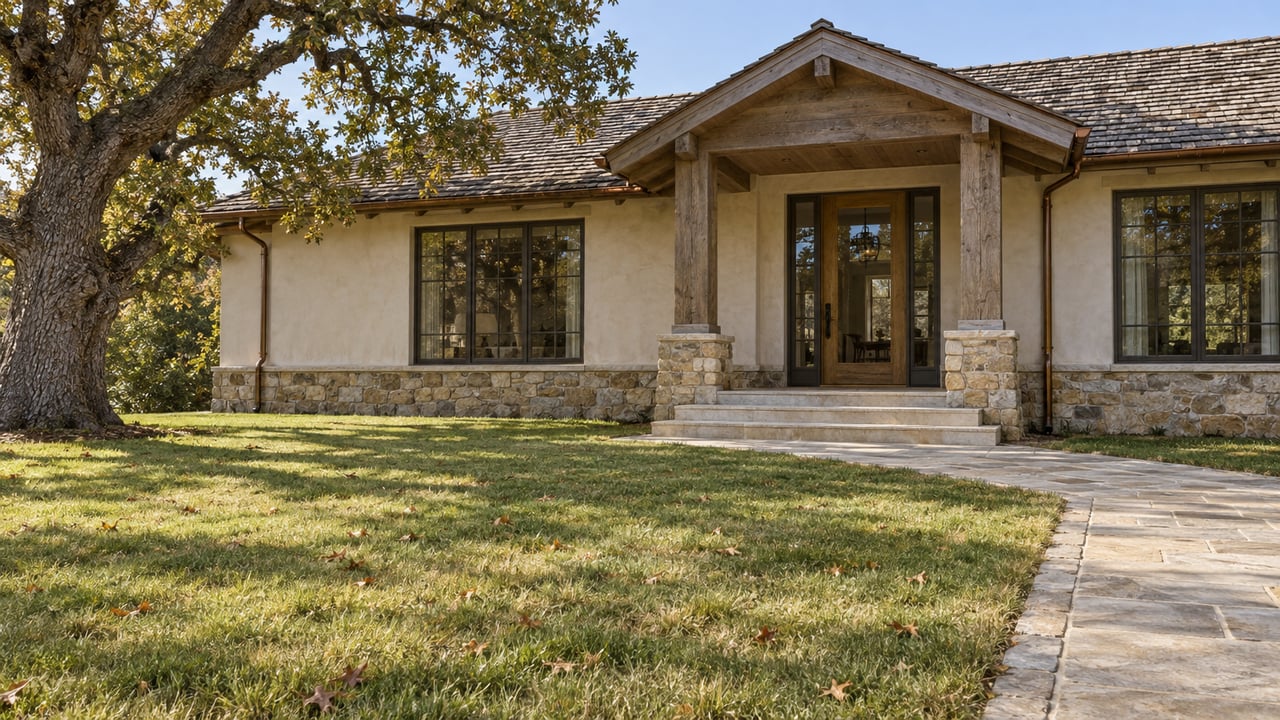
The two halves of Petaluma were built in different centuries. The city's 2021 Historic Resources Existing Conditions Report describes the early neighborhoods west of downtown as freestanding single-family homes in Italianate, Carpenter Gothic, Queen Anne, Second Empire and Victorian cottage styles. Early-20th-century Craftsman, Spanish Revival, Tudor Revival and Colonial Revival houses came after them. The same report names the Oak Hill-Brewster and "A" Street historic districts.
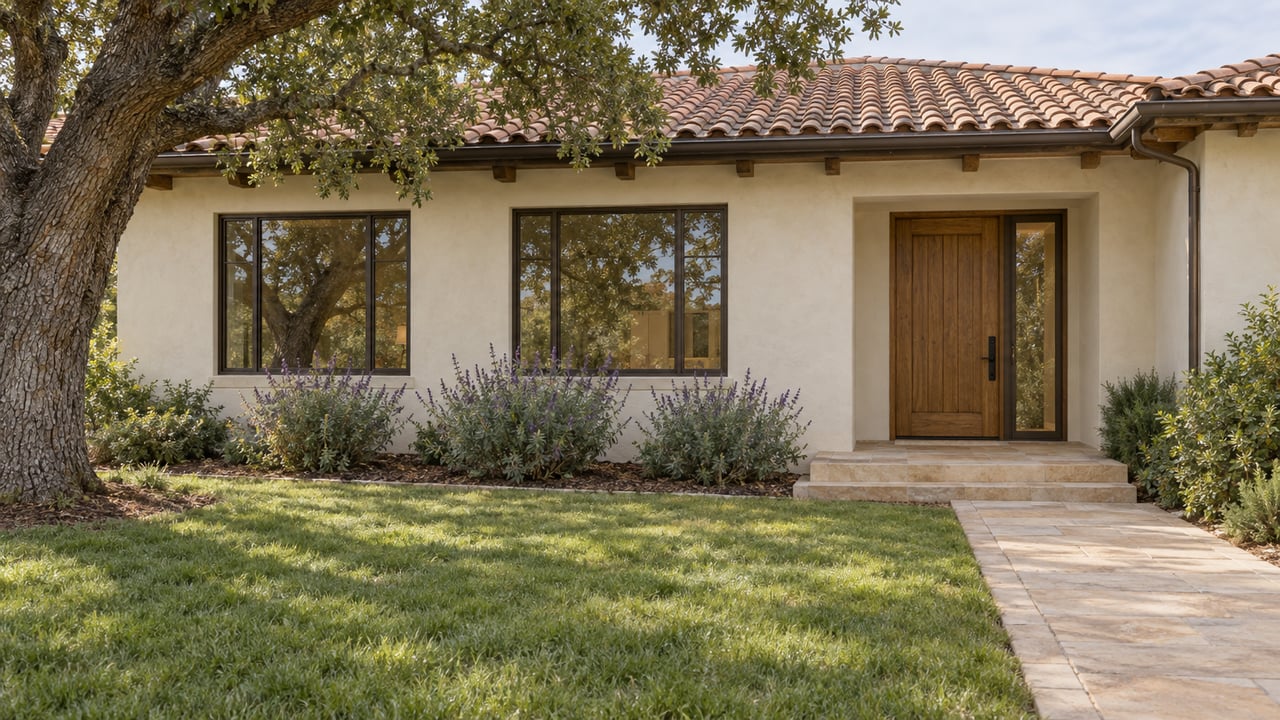
The report ties East Petaluma's growth to Highway 101, which was built through the east side in the 1950s. As farmland there was subdivided, tract homes went up in Minimal Traditional, Ranch and Modern styles. A buyer comparing the two sides is usually comparing a pre-1925 house on an established street with a postwar or later home on a planned subdivision.
A November 2026 Press Democrat report on Petaluma housing follows both sides through longtime residents. One recalled East Petaluma in the early 1970s, when the area "all started building up and up." Another told the paper his parents bought their home in the West Hills neighborhood, west of downtown, for $8,000 in 1952. The same report describes a 15-year-old east-side home bought earlier in 2026 for $875,000, a little above the east side's 2025 median.
Why new building has not closed the gap
The Press Democrat reports that Petaluma's population grew from 8,000 in 1945 to 24,870 by 1970, and it traces the city's long record of growth management from a 1971 City Council moratorium to the passage of Measure D in 1996. In the same report, a research librarian at the Petaluma Historical Library and Museum links that history to tighter supply and higher costs.
The city's own figures show building has picked up. City planning staff reported issuing 226 building permits in 2025, compared with 27 in 2024, according to the Press Democrat. Petaluma also approved a new General Plan with zoning updates in October 2026. Brian Oh, the city's community development director, told the paper: "Our gap is the missing middle."
The new market-rate homes now selling sit at the two ends of the existing price range. Tim Lewis Communities' Drift at Riverfront is a 50-townhome community with homes of 1,122 to 2,322 square feet. In an October 2026 article, the builder listed condominiums from the low $600,000s and townhomes from the mid-$700,000s, which is below East Petaluma's recent averages. Builder pricing changes often, so check those figures with the sales office.
On the west side, Davidon Homes' Scott Ranch is a community of large new single-family homes. On the builder's page, it is described as almost sold out, with quick-delivery homes at $1,698,000 and $1,806,000. Those prices are well above even the west side's average. New construction has not filled the middle of the market so far. It has been priced at the two ends, one near each side's existing price level.
Reading a Petaluma comparable sale
If you are weighing an address on either side of the river, the citywide median is the least useful number for it. A sale from the other side of the river can make a home look underpriced or overpriced, depending on which way you compare. It is better to start with the year-end medians, $850,000 east and $1,050,000 west for 2025, and then narrow to homes of the same era on the same side.
In the 2026 reports so far, the west side has had fewer sales and longer market times. The east side has had more sales and faster ones. Based on October 2026, a West Petaluma listing has averaged about 52 days on market and an East Petaluma listing about 34.
For more on the city, see our Petaluma neighborhood page. Buyers looking just north of town can also compare Penngrove and Rohnert Park.
If you are deciding between a Victorian near Oak Hill-Brewster and a newer home east of the freeway, or wondering which side's comparable sales fit the home you own, Mara T Pilotti can go through recent sales on that side of the river with you. For a seller, a home valuation based on same-side sales is a good place to start. Let's Connect.